How Forklifts Are Transforming Warehouse Operations in the US
By Editorial Team · September 21, 2026
Introduction
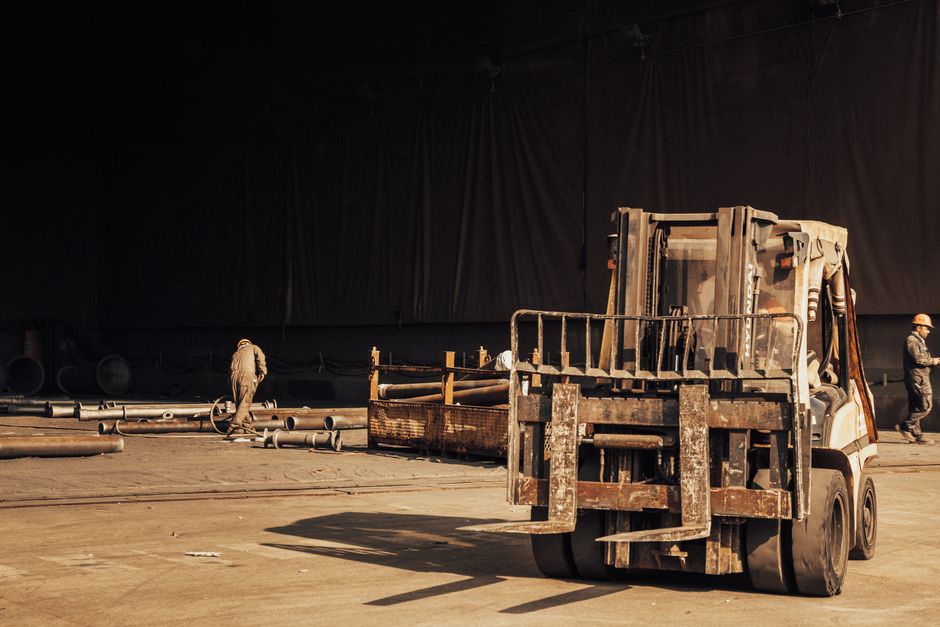
Forklifts play a crucial role in modern warehouse operations. These machines are designed to lift and move heavy materials, making them essential for various industries. As warehouses evolve to meet increasing demands, forklifts are becoming more advanced, impacting efficiency, safety, and productivity.
Evolution of Forklift Technology
Over the years, forklift technology has undergone significant changes. Traditional forklifts relied mainly on hydraulic systems and combustion engines. However, the advent of electric forklifts has transformed their usage in warehouses. Electric models are quieter, produce fewer emissions, and require less maintenance than their gas-powered counterparts.
Moreover, technological advancements such as automation and robotics have led to the development of automated guided vehicles (AGVs). These forklifts can operate autonomously, navigating through warehouse aisles without human intervention. This shift towards automation allows for more efficient handling of goods and reduces labor costs.
Enhancing Efficiency
The integration of forklifts into warehouse operations significantly enhances overall efficiency. They enable workers to move products quickly and safely across large spaces. By utilizing forklifts, warehouses can optimize their layout, reducing the time spent retrieving items. This is particularly important in large distribution centers where speed and accuracy are paramount.
Forklifts also facilitate the stacking of goods in a more organized manner. With the ability to lift heavy loads to great heights, warehouses can maximize vertical space, leading to better inventory management. This capability helps businesses store more products in smaller areas, ultimately improving profitability.
Improving Safety Standards
Safety is a primary concern in warehouse environments. Forklifts can pose risks if not operated properly. However, modern forklifts are equipped with various safety features that help mitigate these risks. For instance, many models include sensors that prevent collisions and alert operators of obstacles in their path. Additionally, advancements in forklift design have led to better visibility, reducing blind spots and enhancing operator awareness.
Training for forklift operators has also become more rigorous. Many companies now implement comprehensive training programs that cover safe operation, maintenance, and emergency procedures. This focus on safety not only protects employees but also reduces liability for warehouse operators.
Impact on Workforce Dynamics
The introduction of advanced forklifts and automation has changed the dynamics of the warehouse workforce. While there is concern that automation may lead to job losses, it can also create new opportunities. Workers trained in operating sophisticated machinery are in high demand. As warehouses adopt more technology, there is a growing need for skilled labor to manage and maintain these systems.
Furthermore, the use of forklifts can lead to a more ergonomic work environment. By reducing the physical strain on workers, forklifts help minimize the risk of injury and improve job satisfaction. Employees can focus on tasks that require more critical thinking and less physical labor, leading to a more efficient and engaged workforce.
Future Trends
As technology continues to evolve, the future of forklifts in warehouse operations looks promising. Innovations in battery technology are likely to enhance the performance of electric forklifts, allowing for longer operation times and quicker charging. Additionally, the integration of Internet of Things (IoT) technology may lead to smarter forklifts that can communicate with warehouse management systems, providing real-time data on inventory levels and equipment status.
Sustainability is also becoming a key consideration in forklift development. Manufacturers are exploring eco-friendly materials and energy-efficient designs to reduce the environmental impact of their machines. This trend aligns with the broader movement towards sustainable practices in supply chain management.
Conclusion
Forklifts are integral to the efficiency and safety of warehouse operations in the United States. As technology advances, these machines continue to evolve, offering new solutions to meet the challenges of modern logistics. The impact of forklifts on productivity, safety, and workforce dynamics highlights their importance in the supply chain. As businesses adapt to changing demands, the role of forklifts will likely become even more significant in shaping the future of warehouse operations.
Related articles

Understanding Test Slugs in Software Development
Explore the concept of test slugs in software development and their role in ensuring code quality and reliability.

Understanding Video Advertising in Australia
Explore the fundamentals of video advertising in Australia, its types, benefits, and impact on digital marketing strategies.

Exploring WiFi Options Available Near You
Discover various WiFi options in your area, including public hotspots, cafes, and local providers to stay connected anywhere.