Understanding Glucose Monitors: Types and Benefits
By Editorial Team · July 8, 2026
Introduction
Glucose monitors are essential devices for individuals managing diabetes. They measure blood sugar levels, providing valuable data that helps users maintain their health. The use of glucose monitors has evolved significantly over the years, leading to more accurate readings and easier usage.
Types of Glucose Monitors
There are several types of glucose monitors available, each with distinct features and benefits. The most common types include:
-
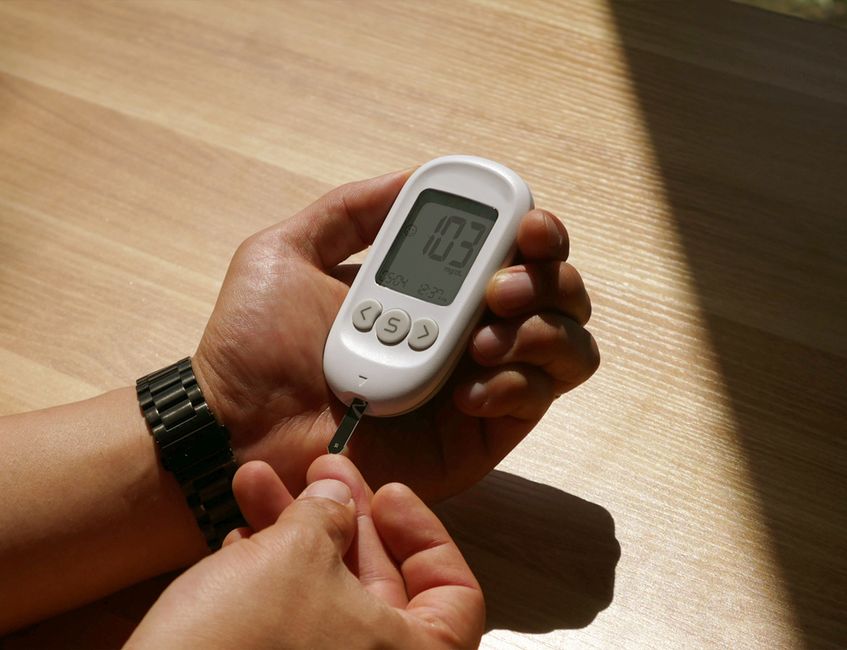
Fingerstick Monitors: These devices are traditional glucose monitors that require a small blood sample obtained by pricking the fingertip. Users place a drop of blood on a test strip, which the monitor reads to provide a blood glucose level. Fingerstick monitors are relatively inexpensive and widely used.
-
Continuous Glucose Monitors (CGMs): These advanced devices provide real-time glucose readings throughout the day and night. A small sensor is inserted under the skin, measuring glucose levels in the interstitial fluid. CGMs can alert users to high or low glucose levels and are particularly helpful for those who experience fluctuations in their blood sugar levels.
-
Flash Glucose Monitors: Similar to CGMs, flash monitors involve wearing a sensor that measures glucose levels. However, users must scan the sensor with a reader to obtain glucose readings. This type of monitor also provides trend data but does not continuously transmit information.
Each type has its advantages, and the choice depends on individual needs, lifestyle, and healthcare recommendations.
Benefits of Glucose Monitors
Using glucose monitors offers several benefits for diabetes management. Some of the key advantages include:
-
Improved Blood Sugar Control: Regular monitoring allows individuals to understand how food, activity, and medication affect their glucose levels. This knowledge can lead to better decision-making and improved overall blood sugar control.
-
Trend Analysis: Many modern glucose monitors provide trend data, showing users patterns in their blood sugar levels over time. This information can help identify potential issues before they become serious, allowing for proactive adjustments.
-
Convenience: Continuous glucose monitors eliminate the need for frequent fingersticks, making them more convenient for users. Flash monitors also offer a less invasive way to track glucose levels, as they do not require blood samples for every reading.
-
Enhanced Safety: Alerts from CGMs can warn users of dangerously low or high glucose levels, providing an additional layer of safety. This feature is particularly beneficial for individuals who may not recognize symptoms of hypoglycemia or hyperglycemia.
Choosing the Right Glucose Monitor
Selecting the appropriate glucose monitor involves several considerations. Users should evaluate their lifestyle, budget, and specific health needs. Some factors to consider include:
-
Cost: The initial purchase price and ongoing costs for test strips or sensors can vary significantly. Insurance coverage may also affect the overall expense.
-
Ease of Use: Some monitors are more user-friendly than others, particularly for individuals who may not be comfortable with technology. It is essential to choose a device that is easy to operate and understand.
-
Data Management: Many glucose monitors now offer smartphone compatibility, allowing users to track their data digitally. This feature can simplify record-keeping and facilitate discussions with healthcare providers.
-
Consulting Health Professionals: It is advisable to consult with healthcare providers when selecting a glucose monitor. They can provide personalized recommendations based on individual health conditions and lifestyle.
Conclusion
Glucose monitors play a crucial role in the management of diabetes. Understanding the different types available and their respective benefits can help users make informed decisions about their health. With advancements in technology, glucose monitoring has become more accessible and convenient, ultimately supporting better health outcomes for those living with diabetes. Regular monitoring can empower individuals to take control of their health and improve their quality of life.
Related articles

Effective Treatments for Depression and Anxiety Near You
Explore various treatment options for depression and anxiety available locally, including therapy, medication, and support groups.

Understanding Online ADHD Prescriptions in the US
Learn how online ADHD prescriptions work in the US, including the process, benefits, and considerations for patients seeking treatment.

Clinical Trials for Back Pain Treatment in the US
Explore ongoing clinical trials for back pain treatment in the US, their significance, and potential benefits for patients seeking relief.