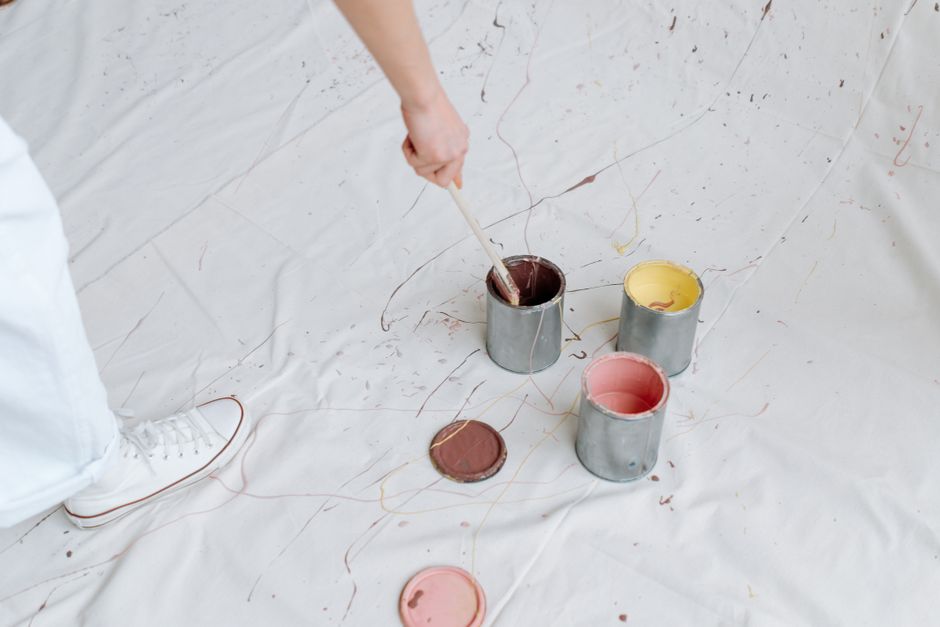
Choosing Paint Colors for a Small Room
By Editorial Team · June 17, 2026
Understanding Color Psychology
When selecting paint colors for a small room, it is important to consider color psychology. Different colors can evoke various feelings and perceptions. Light colors, such as whites, creams, and pastels, often create a sense of openness and airiness. Darker colors can make a room feel cozier but may also make it appear smaller. Knowing the emotional impact of colors can help you choose a palette that aligns with the mood you want to create in your space.
The Importance of Lighting
Lighting plays a crucial role in how paint colors appear. Natural light can make colors look brighter and more vibrant, while artificial light can alter their tone. When choosing paint, consider the type of lighting in your room. For example, a north-facing room may have cooler light in the morning, making warmer colors more suitable. Test paint samples on your walls and observe how they change throughout the day to ensure you select a color that works well in the room's lighting conditions.
Creating Illusion of Space
Using paint colors strategically can help create the illusion of a larger space. Light colors tend to reflect light, making walls appear further away. You can also use a monochromatic color scheme, where different shades of the same color are used throughout the room, to maintain a cohesive look that can make the space feel larger. Additionally, painting the ceiling a lighter color than the walls can draw the eye upward, enhancing the sense of height in small rooms.
Accent Walls and Patterns
An accent wall can add interest to a small room without overwhelming it. Choose one wall to paint a bolder color or a pattern that complements the other walls. This technique can create a focal point and draw attention to specific features, such as a piece of furniture or artwork. However, it is important to choose colors that harmonize with the overall palette to avoid a chaotic appearance. Subtle patterns, such as stripes or geometric designs, can also add depth without making the room feel cramped.
Final Considerations
When choosing paint colors for a small room, consider the purpose of the space. A bedroom may benefit from calming colors, while a home office might require more energizing hues. Additionally, think about the furniture and decor that will be in the room. Ensure that the paint color complements these elements and creates a cohesive look. Finally, testing paint swatches on the walls before making a final decision can help you visualize how the colors will work together in your small room.
Related articles

How To Find Affordable Construction Services In The US
Discover effective strategies for finding affordable construction services in the US, ensuring quality work within your budget.

What Makes Senior Apartments Ideal Housing in the US
Explore the features that make senior apartments a suitable housing choice for older adults in the US, focusing on accessibility and community.
Special Cleaning Services You May Not Know About
Explore unique cleaning services that go beyond standard cleaning, offering specialized solutions for various needs in homes and businesses.